PUNE: Maharashtra clinched the pole position in India with 849 inter-country and domestic adoptions in the last financial year - accounting for nearly 20% of the total count and a 38% surge from the state's previous fiscal's tally of 522.
Across India, 4,515 children found families - the highest number in over a decade - while over 36,000 prospective adoptive parents (PAPs) are on the waiting list at present, hoping to adopt one of just 2,749 children legally available, according to data from Central Adoption Resource Authority (Cara). Of these, 1,808 are categorised as special-needs children.
Of the 4,515 adoptions, 4,155 children found families within the country while 360 were international/inter-country adoptions. Maharashtra, where the domestic adoption count was 790, was followed by Tamil Nadu (438) and West Bengal (297). In international adoptions, Maharashtra led with a tally of 59, followed by Punjab (41) and Bengal (31).
The average waiting time for PAPs is three-and-a-half years. Most PAPs seek girls and those aged 0-2 years, leaving older children and those with special needs under-placed. As many as 2,554 children adopted in FY 2024-25 were girls, accounting for 56% of all adoptions in India.
"One reason is, more girls are given up than boys, making them available for adoption," said Vinita Bhargava, formerly with Cara as its founder member.
A senior women and child development (WCD) dept official said, "Some parents believe girls are more caring and affectionate, and are more likely to look after their parents in old age. Some feel girls adapt more easily to family life. Social awareness and single women often preferring to adopt girls are other reasons."
Many PAPs believe it is easier to build emotional connections with infants and younger children. The official said, "For some, adopting younger children provides greater scope to shape their values, personality and upbringing. Others want to experience the entire parenting journey - from infancy to adulthood."


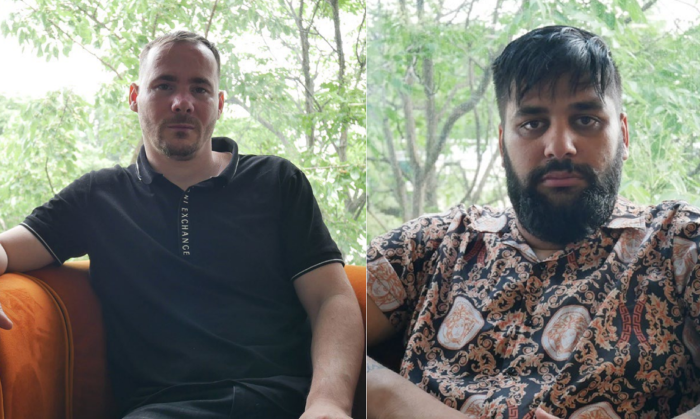 Mihai-Constantin Petcu, 40 (L) and Marian Barbu, 33 (R) both claim they were sexually trafficked in Romania. | United States District Court Central District of California