Betty (30) was abused by her adoptive parents: 'I was bought for a lot of money, I was told. I had to be grateful'
Invisible, unheard. That is how Betty van Brunschot (30) felt during her childhood in an adoptive family, where she was mentally and physically abused. No one intervened. 'The system prefers to believe in good intentions rather than in signs of danger.'
It wasn't until years later that I realized I could have died in a house that seemed warm and neat to the outside world. My adoptive mother was nineteen when she gave birth to her biological son. According to her, he was a major criminal, but now I know that he had exactly the same childhood as me. I think she was afraid he would talk about it, and that is why there was no contact with him. She was unable to have children with my adoptive father, so they decided to adopt.
For her, the adoption wasn't about love, but about being seen. So that the outside world would consider her a good person. They were people trying to fill a void. I was two when I came to the Netherlands from Ethiopia with my twin sister. People smiled at us in the supermarket, stroked our frizzy hair, and said to my adoptive parents: 'How special that you are doing this.' Two girls, 'rescued' from Africa. No one ever asked how we were doing.

Paying for a dream dress from Copenhagen? Your debit card grows with you.
Read more below the advertisement
Always alert
From the very beginning, I felt that something wasn't right. My adoptive mother looked at me and said to my father: 'That fat one, we need to deal with him firmly.' There was always a sense of disappointment in the air. An expectation I could never live up to. I learned to be quiet, to smile politely, and to always be on the lookout for anyone getting angry. My sister and I wanted to do everything right. After all, we had been bought, we were regularly told. Brought from Africa, for a lot of money. We had to be grateful. And we did everything we could to be good. We smiled, spoke softly, and said thank you for every shred of attention.
My adoptive mother could scream until her voice broke. She called me 'Fatlip,' 'glutton, dirty Ethiopian.' Sometimes I had to scrub my neck with a hard brush to 'wash away' the dark color of my skin . I thought it was normal. As a child, you don't know any better. We moved four times in eight years. To the outside world, for practical reasons, but in hindsight, I think: did we move because neighbors caught on to what was happening at our home?
The atmosphere at home was always tense. A few cookie crumbs on my bed, chewing gum under the mattress, coming home late after training... anything was a reason for punishment. I had to go to bed at seven in the evening, and my sister got cookies and chips, which she normally never got. That is how she played us off against each other: if one was punished, the other was rewarded. That is why we constantly put each other down.
Stay informed
Sign up for our push notifications.
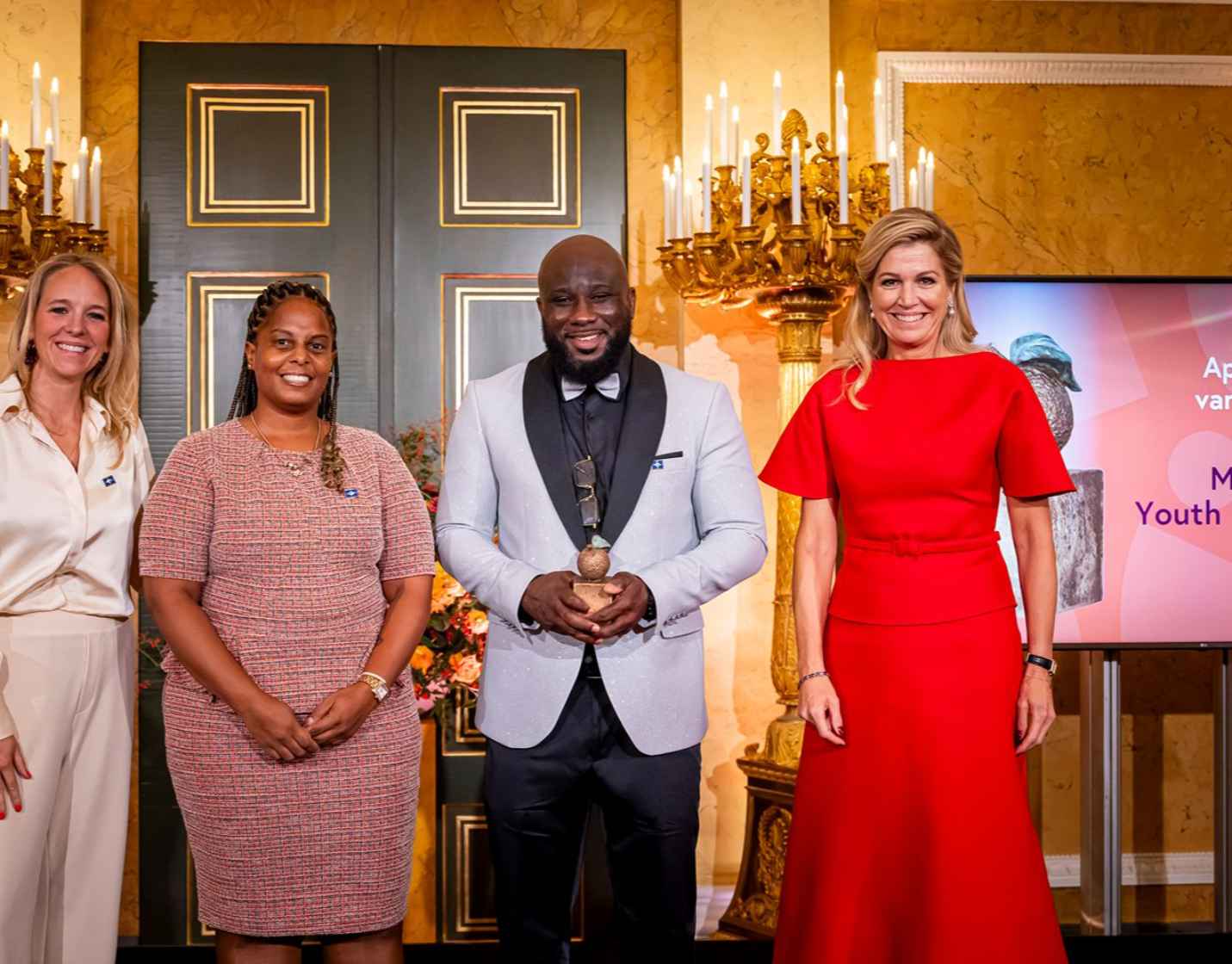
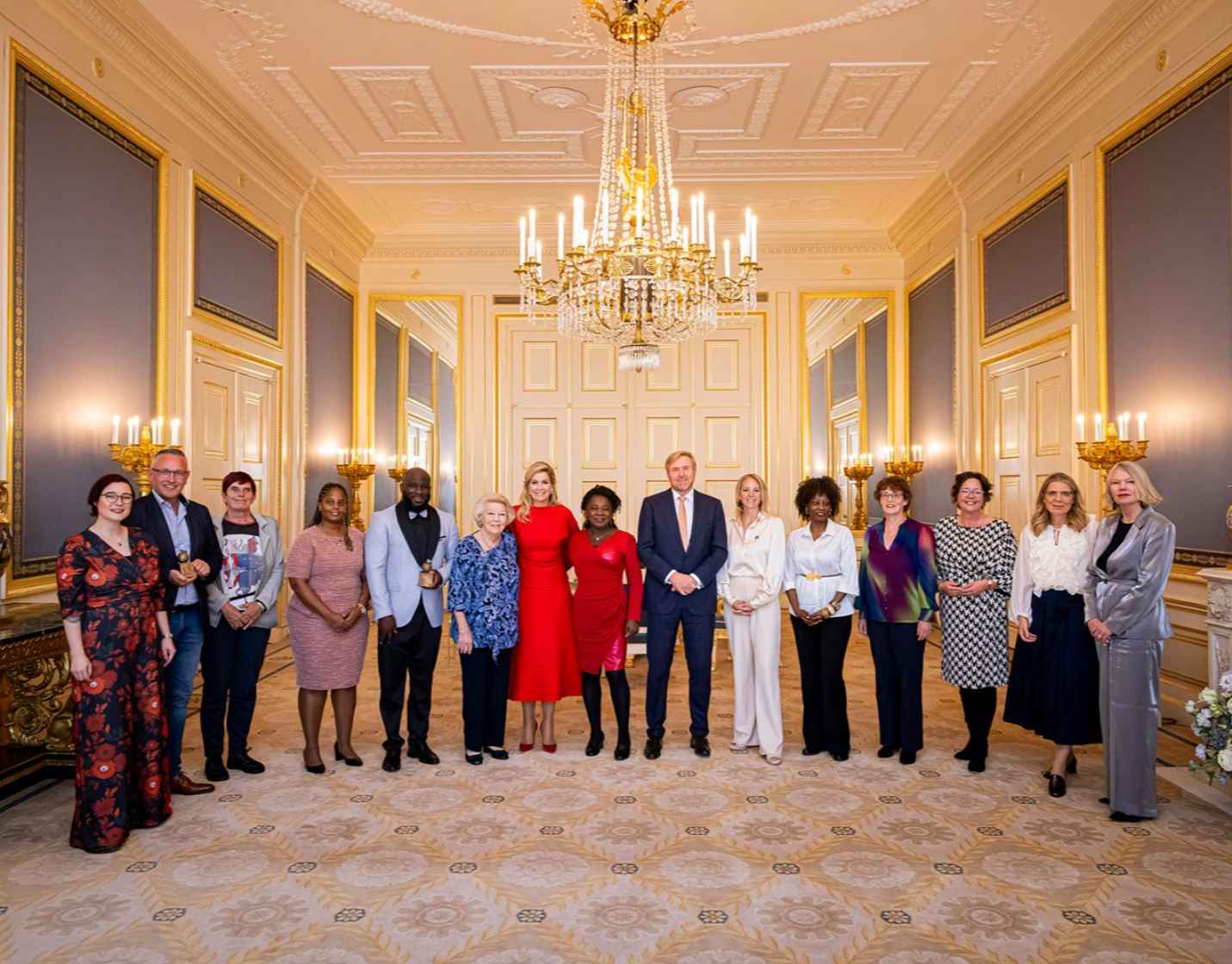
Appeltjes van Oranje awarded to initiatives that break the cycle of poverty together
Read more below the advertisement
When I was five minutes late one time, I had to quit football. And if I was allowed to stay for dinner at a friend's, I didn't get any food at home the next day, because 'I'd rather eat at my friend's, wouldn't I?' The punishments became harsher and harsher. Sometimes my sister and I were locked inside the house or locked out so we had to stay in the garden all day. We weren't even allowed to go to the toilet inside, so we held it in for hours. And sometimes my mother would throw whatever was at hand. One time it was a jar of peanut butter. It hit my sister right on the head. The bump was clearly visible, because we had just been shaved bald – my mother couldn't stand tangles.
The text continues below the image.
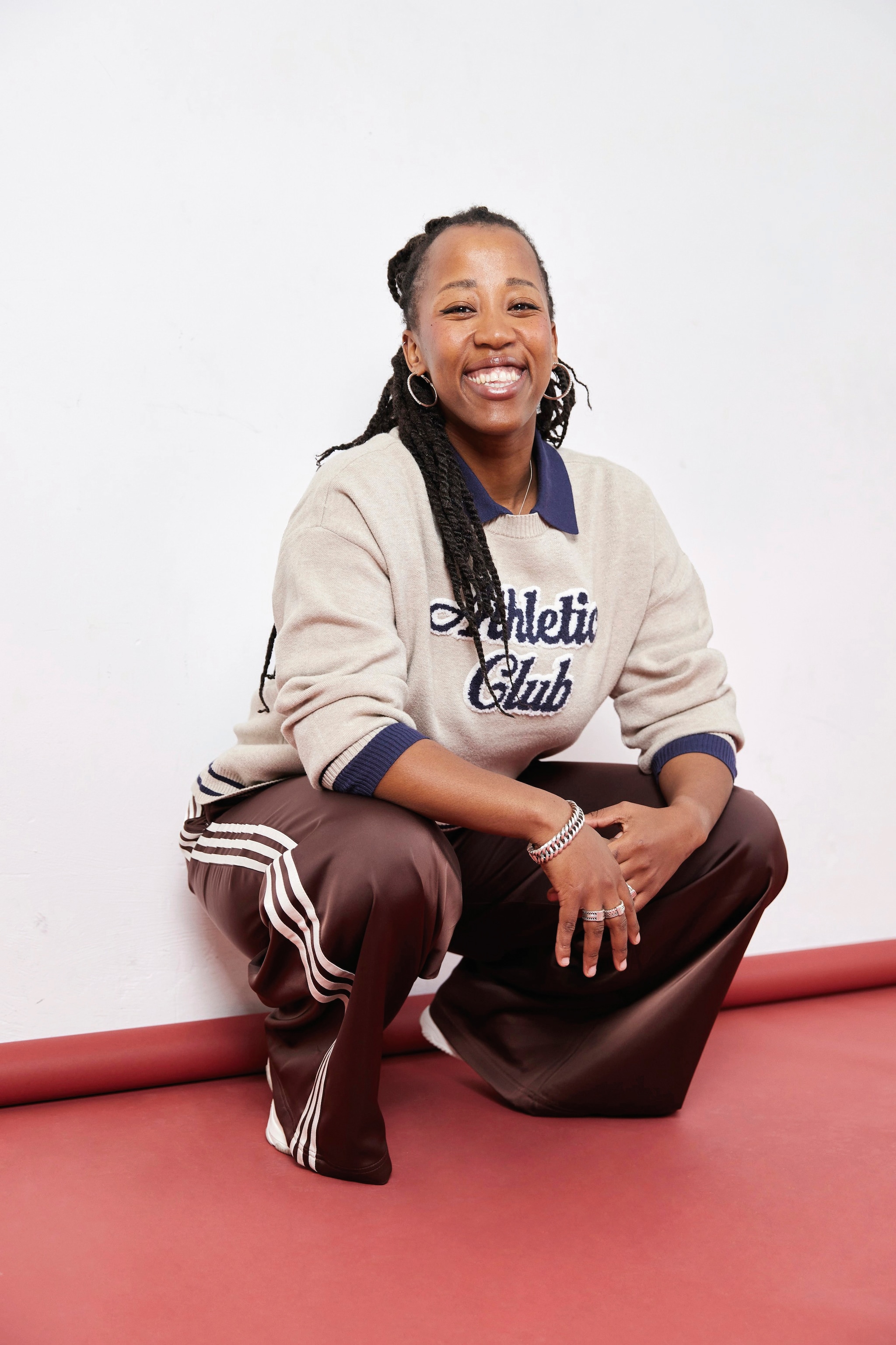
Betty van BrunschotLidian van Megen
One day, my sister and I both had tangles in our hair, and she decided enough was enough. She grabbed the clippers. I remember the buzzing of that device and the tears of my little sister that I saw falling to the floor. Tears fell from my mother's eyes too, but from laughter. The next day we had to go to school like that, bald. Gone were the long braids that hung down to our bottoms. The teacher and the headmasters said it looked 'beautiful'. I think they couldn't comprehend that something was wrong at our home. The same mother who had shaved us bald brought cupcakes for the Christmas celebration a little later.
Appeltjes van Oranje awarded to initiatives that break the cycle of poverty together
Read more below the advertisement
Years later, when she read my book, my teacher at the time said she was ashamed. 'You always smiled so sweetly. I thought you were happy .' From that moment on, my little sister had to keep shaving her head bald, because it suited her so well. 'That way she looks like Sylvana Simons,' my mother said. As a result, she soon became known in the village as 'bald cancer-black'. I was allowed to grow my hair, because according to her, I had a masculine face. A blessing in disguise.
When I was watching television, my mouth would sometimes hang open a little from concentration. Then I would get a tap on the mouth, so hard that my teeth sank into my lip. She said it looked stupid, that she had to break me of that habit. I was even grateful. After all, they had my best interests at heart.
Foster children
I was seven when foster children came to live with us. My mother told every child why their real parents were bad, so that no one dared to feel homesick. 'Your mother lies around drinking all day; she would rather do that than take care of you,' she said to a foster brother. And to another: 'Your father stabbed your mother with a knife.'
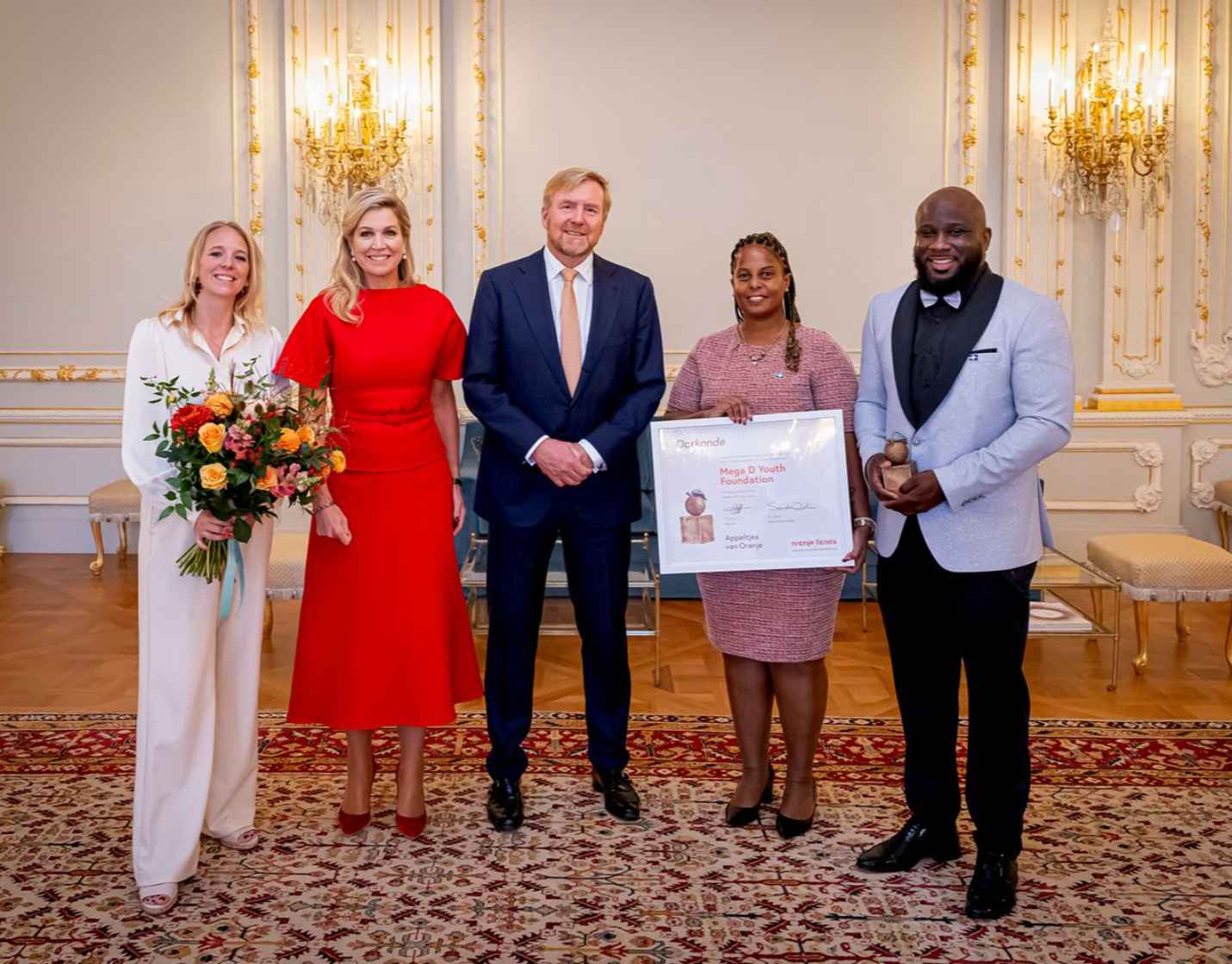
Appeltjes van Oranje winners announced: 'Every child needs a superhero'
Read more below the advertisement
The mother of one of my foster brothers came to visit one time; she was a few minutes late. My adoptive mother closed the gate and drove away with her son. She waited for a long time, but eventually she just left. Then I had to call my mother to tell her she could come back. She said to my foster brother: 'Your mother didn't come again.'
That is how she broke those children one by one, by making them believe that no one loved them. In this way, she ensured that the foster children who came to us never wanted to leave. And that secured their income, plus it kept those children quiet about what was happening at our home. After all, they had no one else. At school, people didn't see the scars . They saw girls who smiled, who politely said thank you, and were never late. Just like us, they thought we were being raised strictly but fairly. When someone from Child Protective Services came, we baked cakes. The house smelled of vanilla, the windows gleamed. No one saw the fear in our eyes.
My father put up with it all. He worked a lot, drove a truck. I loved him the most. I think that at heart, he was a good person. When he came home, he was always immediately told how badly we had behaved. One time, I had another room inspection. My mother had found a letter. She asked if I had lied in that letter. I didn't know what she meant, but I said no. Saying that I wasn't lying seemed like the best choice anyway. I wanted to go upstairs, but I had to stay seated.
Appeltjes van Oranje awarded to initiatives that break the cycle of poverty together
Read more below the advertisement
When I got up anyway, my father grabbed a chair and knocked me down. I crawled upstairs after all and cried. Not from pain, but from grief. At that moment, I felt that I had lost my father too. A little later, my sister told them a plausible, made-up story about that letter. I heard the door of my room open and my father briefly say 'sorry'. He had almost beaten me into a disability, but the first thing I thought was: he is sorry. I wanted so badly to keep loving him. But after that, everything got worse.
Family tragedy
'When I was twelve, the emptiness started to grow. One evening, just before the summer holidays , I was grounded for six weeks because I had supposedly knocked over a bicycle in the shed. I said softly to myself: I want to die. My little brother heard it and ratted it out to my mother. That is how toxic it was in our home. We were encouraged to rat on each other. As I said: if another child got punished, we got chips. So my little brother told my mother what I had said, and she immediately called all the children together. My father put an axe in my hands, and all the other children had to stand around me and say: 'Do it then!'
For my sister, that is one of her biggest traumas . That she encouraged me, even though she was forced. I put down the axe and started crying. One of my foster sisters almost fainted from fear. My mother said it was my fault because I caused a drama and sent me to my room. Shortly after that moment, my mother said she didn't want to live anymore because she had us. She called my sister Tizita and me and said she regretted the adoption.
Appeltjes van Oranje winners announced: 'Every child needs a superhero'
Read more below the advertisement
They earned nothing from us, while the foster children brought in money. 'We looked for people who wanted you,' she said. 'You saw it yourselves.' That was true: every evening they left the Yellow Pages open, so we knew they were looking for people who would want us. Then came the sentence I will never forget. 'We have no other choice now but to cause a family tragedy,' she said. 'There are two options: we pour gasoline over the stairs while you sleep, or we tie a block of cement to your feet and throw you into the Waal. Then you will never be found again.'
I was thirteen, maybe fourteen. And the bizarre thing is: I mainly felt pity. I felt bad for them that they were so disappointed in us that they had reached this point. My sister froze; she couldn't comprehend what was being said. They didn't say when they would do it, and because of that, we lived in constant tension. We hardly slept anymore, but the outside world didn't notice a thing. Not even a few weeks later, the news came that yet another foster child was coming. From that moment on, I started having nightmares .
Read also: Wendy (39) lives at a secret location: 'Even my parents and friends don't know where I am'
To trust
In the eighth grade, we received a survey from the Municipal Health Service (GGD) through the school regarding psychosocial health. You could indicate on a form if something was going on at home, and I wrote that I felt unsafe. Unfortunately, my mother found the letter before I could hand it in at school. My father dragged me down the stairs by my feet, my head hitting every step. And yet, I still felt pity for my parents. Because they were so disappointed that they would rather die than live with us.
Appeltjes van Oranje awarded to initiatives that break the cycle of poverty together
Read more below the advertisement
The only adult I truly dared to trust at that time was Irma, my mother's best friend. It was a big risk to confide in her, but I had no other choice. I told her what was happening at home. Irma said: 'I have never understood why your mother started having children. She hates children.' She also said: 'Tizita and you can always come to me.' My mother always called her her best friend, but I think now that Irma felt very differently about it. She saw what was really going on. She said to me: 'You have to run away. You are a minor, so if I come to get you, legally speaking, it is kidnapping.'
I made a plan: I wanted to run away in June, because I wanted to finish my school year. But just before I was about to run away, Irma's daughter, Patricia, called. She told me that her mother had had a heart attack and had passed away. I was devastated. A few months later, she called again. She said: 'It was my mother's last wish that things would turn out well for you.' She then offered to take Tizita and me in.
During that period, we also got in touch with my adoptive mother's biological son. He turned out not to be the hardened criminal my mother thought he was at all. When I told him what was going on with us, he said immediately: 'This is what I've been afraid of all this time.' In the end, he was the one driving the getaway car when we left. We were sixteen, and when my parents found out where we were, they let us go immediately. Patricia and her husband saved our lives; I truly believe that. For the first time, I felt what safety was.
Appeltjes van Oranje awarded to initiatives that break the cycle of poverty together
Read more below the advertisement
We ate without fear. No one checked our rooms. I could breathe. Yet the panic remained in my body. I was very anxious and would panic if I heard a sound that resembled the crutch my mother used, or if I saw a car that looked like our parents'. After my escape, I spent years trying to understand what had happened to me. I had relationships that were not healthy, because I only attracted partners with commitment issues or abandonment issues. Now I know that was because I myself did not know how to form healthy attachments . I had no idea what love without fear felt like.
The text continues below the image.
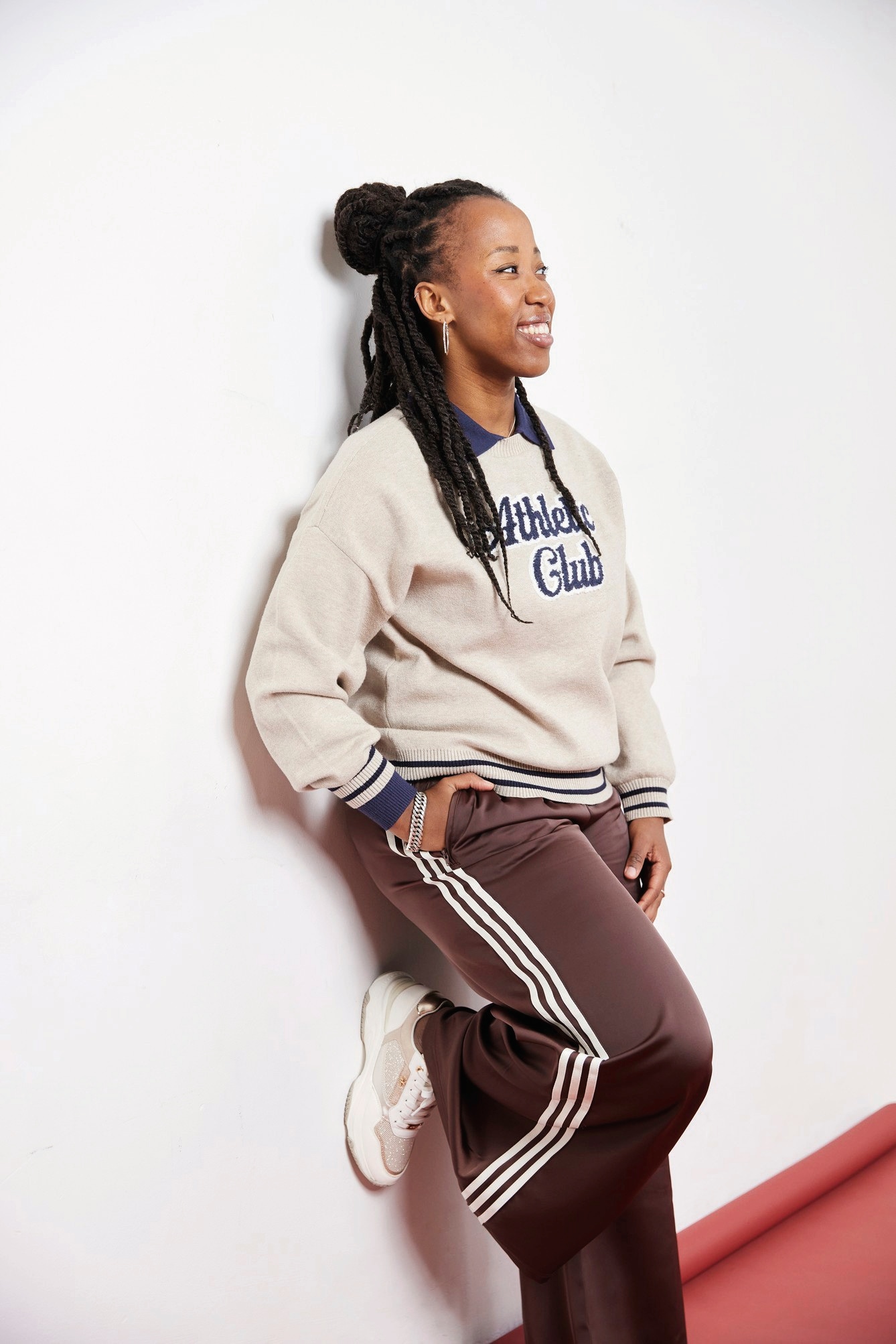
Betty van BrunschotLidian van Megen
I worked in healthcare, earned diploma after diploma, but the void remained. Until I started writing. First for myself, later for others. For two years I struggled with my own words. Eventually, it became my book: *Mom, I Can't Go On Anymore*. When it came out, I received hundreds of messages from people who recognized themselves in it. Foster children, adoptees, adults who still remain silent about what was done to them. When I heard about the girl from Vlaardingen, who was abused by her foster parents even though agencies had long had warning signs, I felt a cold shiver run through my body. Not because it surprised me, but because I knew what it feels like to be such a child. Invisible. Unheard.
Breaking poverty together: winners of Appeltjes van Oranje 2026 announced
Read more below the advertisement
Everyone was shocked. People shouted: 'How can this happen?' I just thought: of course this happens. Because this is exactly what goes wrong in a system that prefers to believe in good intentions rather than in signals of danger. This is exactly why I speak. I now give lectures, perform my own story in the theater, and talk to students from the police and youth care. Sometimes I see the shame on their faces. Sometimes tears. And sometimes, finally, the realization that behind every perfect family, a different story can be hidden.
Dignity
I saw my adoptive parents one last time, at my grandparents' funeral. They didn't look at me. I was refused entry to the church. Later, I read that my adoptive mother said she hadn't read my book, but she knew that half of it wasn't true. The racism was fabricated, too. I still bear my adoptive parents' surname, but soon, after a long procedure, I will get my own name back. That feels like coming home.
Nowadays, I work as a quality nurse. My sister also ended up in healthcare. She has a one-year-old child and sits in the front row at every theater show. I see in her eyes what recovery means: not forgetting, but choosing the light. I cannot forgive my parents. What I can do, however, is ensure that their actions were not in vain. Because every time I stand on a stage and see someone in the audience who finally dares to share their story, I feel that I am taking something back. My voice. My space. My dignity.
With my book, I want people and institutions to open their eyes. The screening of adoptive and foster parents must be improved, and abuses must be detected sooner. My parents should never have been allowed to adopt. The screening is a snapshot in time. There needs to be continuous monitoring. And an unannounced home visit is better. It is difficult for care providers to see through a perfectly staged picture. As a child, I learned that being silent was safer than speaking. Now I know that silence costs lives. That is why I keep talking. For myself. And for all the children who are still locked up behind so-called respectable curtains.
Mission
Through her foundation Loha, Betty is committed to vulnerable children and families in the Netherlands as well as Ethiopia, her country of birth. They provide support to children who have been removed from their homes, to adoptees who want to rediscover their roots, and to mothers who are at risk of losing their children due to poverty or trauma. 'What was once my survival story has now become my mission: to ensure that no child is silenced anymore.' bettyvanbrunschot.nl