Home  

Korean adoptees in the US and Europe are finding their families. Reconnecting is much harder | CNN

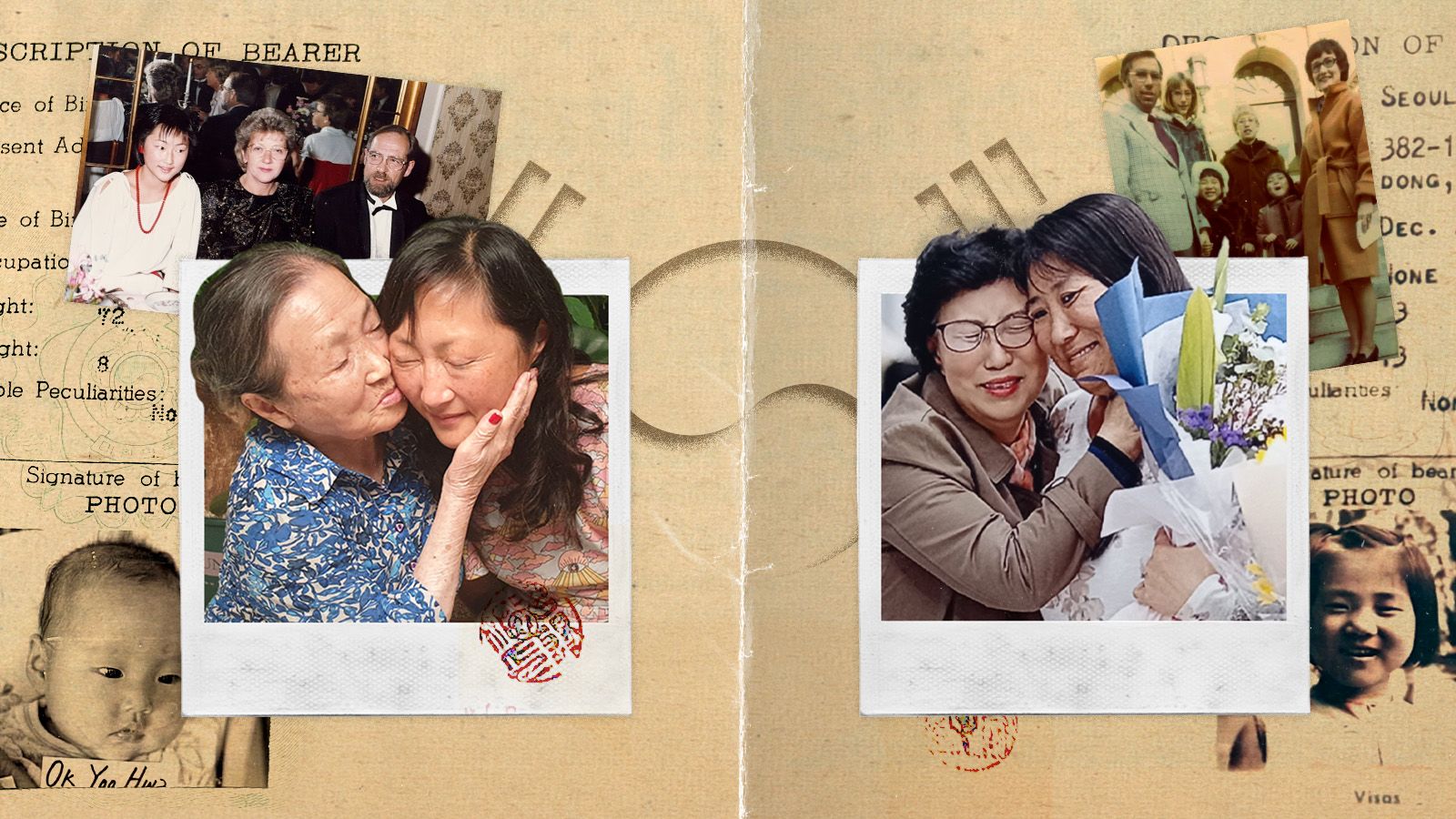
Illustration by Leah Abucayan/CNN/Courtesy of Marianne Ok Nielsen and Han Tae-soon

(Left) Marianne Ok Nielsen reunites with her mother. (Right) Han Tae-soon meets her daughter after 44 years apart.

SeoulCNN — 

Marianne Ok Nielsen never wanted children, or a family of her own. She used to tell friends she didn’t feel worthy of that kind of life.

Adoption of rescued trafficked children in Hyderabad hits legal hurdles

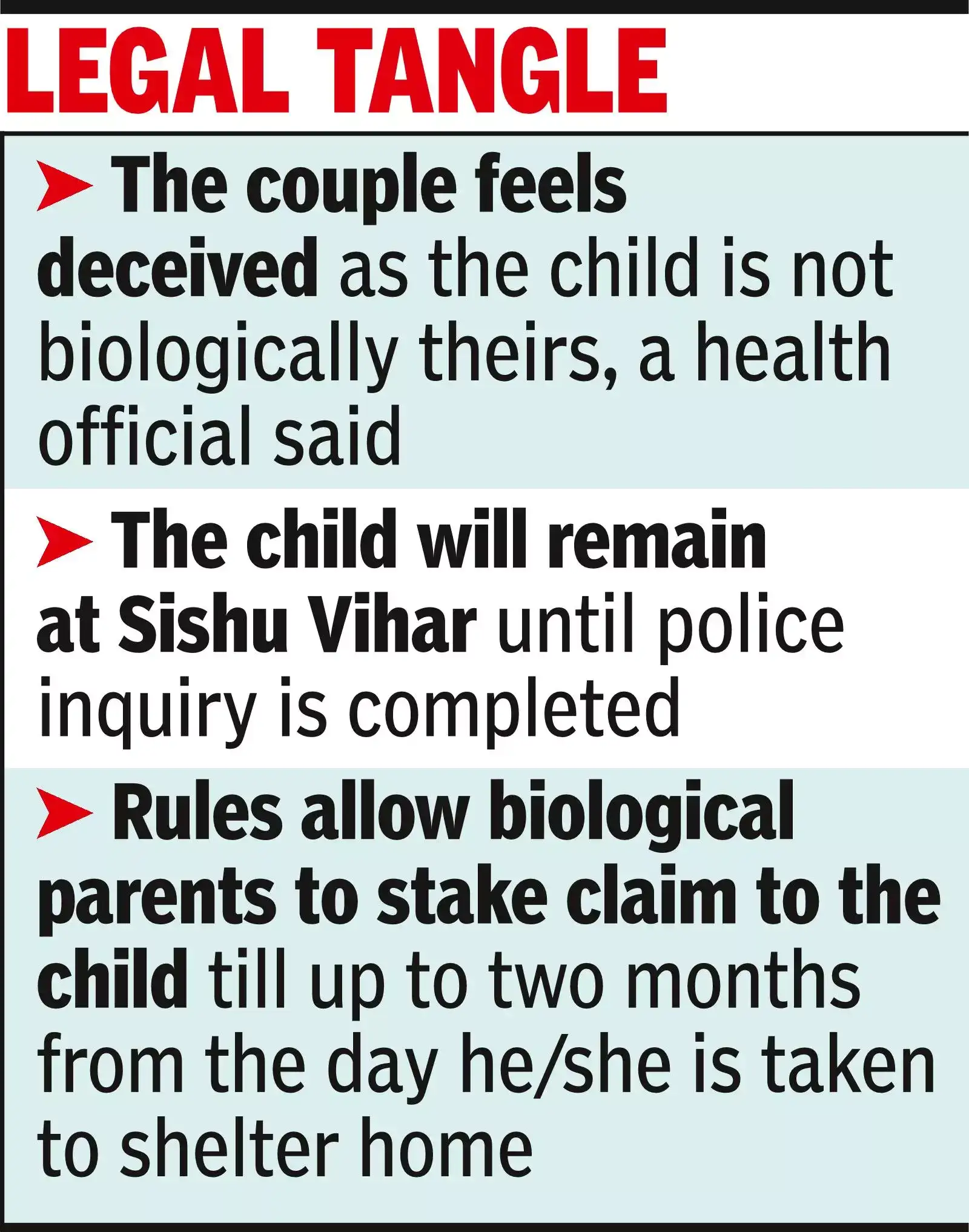
Hyderabad: The case of alleged child-trafficking in the guise of In Vitro Fertilisation at Universal Srushti Fertility Centre in Gopalapuram involving an infant has raised a critical question of what would happen to the baby who is currently under the protection of Shishu Vihar at Vengalrao Nagar, a state-run home for the abandoned and surrendered children.


In the present case, the biological parents of the child are presently lodged in Chanchalguda Jail under various sections for allegedly selling their baby to Dr Namratha’s fertility centre for Rs 1 lakh.

According to Hyderabad district child protection officer Srinivas, based on the court’s directions, a decision will be taken by the Child Welfare Committee (CWC), whether to give the baby back to his biological parents, or to place him for adoption.

Add as a preferred source on Google

A return trip to the country of origin

A return trip to the country of origin

A return trip to your country of origin can be a life-changing experience. Based on the personal stories of adoptees and insights from (still limited) scientific research, we offer a glimpse into what such a return trip can mean for adoptees and the considerations that may play a role.

Reasons to travel back

Adoptees' reasons for traveling back home vary widely and vary from person to person. Some want to get to know the country and its culture better or visit tourist spots. Others seek out places and contacts listed in their adoption records, or hope to reconnect with their first family.

For many, it is also a way to gain more insight into their background and identity – to see with their own eyes where their story began.

Police thwart int'l trafficking ring that 'reserved' babies in the womb

The babies were then purchased for 11-16 million Indonesian rupiah (approximately NIS 2,260 to NIS 3,300).


Police in Indonesia uncovered a massive baby trafficking ring and rescued six infants about to be sold, according to BBC News Indonesia. All the babies were around a year old.

The ring has sold at least 25 babies, 12 male and 13 female, to buyers in Singapore since 2023 and authorities have now arrested 13 individuals connected to the trafficking ring in Pontianak and Tangerang.

"The babies were first housed in Pontianak and had their immigration documents arranged before being sent to Singapore," West Java Police's director of general criminal investigation, Surawan, told BBC News Indonesia.

JPost Videos

'I was born through rape in a war-zone - when I met my mother I saw my face in hers'

Sexual violence is a terrible inevitability of any war-zone. Lejla Damon was born of rape during the Bosnian war. She speaks to the Mirror about finding her birth mother and discovering her roots


Smuggled across a border at just nine days old, Lejla Damon knew little of her birth mother. But as she grew up, she discovered that her beginnings were rooted in conflict.
Speaking to exclusively to The Mirror, Lejla tells me she is a child of sexual violence carried out during the Bosnian war. We spoke about the first time she met her birth mother and returning to Bosnia, where staff at the maternity unit knew her story before she did.
Lejla was born on Christmas Day 1992 in war-torn Bosnia. Her mother had endured an horrendous ordeal. Lejla’s birth mother, who we will not be identifying here to ensure her privacy, was held for seven months in a school at the beginning of the conflict. It was during this time that she was repeatedly raped and tortured.
She said: “The premise of it was to impregnate and hold on to the women for as long as possible knowing that they wouldn't be able to get an abortion and then let them go when they were too heavily pregnant.” She explains that the aim of this was “to change the genetic makeup of a society.”
So when the two journalists who would go on to become Lejla’s parents met her birth mother, she was in a state of extreme suffering. Dan and Sian Damon were in Bosnia to report on the conflict for a British news broadcaster, when they interviewed Lejla’s birth mother.
In that video interview, Lejla tells me that, her mother said: “I would become like the men that raped her and that if she held me that she would strangle me.”

Talking to me now, she says she has enormous sympathy for her mother. She explains: “It takes courage to give your child up for adoption no matter what you went through… she allowed me to have an incredible life full of extreme privilege.”

Growing up in the UK, Lejla said she felt, like all kids, the intense urge to fit in with her peers. But when in primary school, her class were tasked with creating an ‘About Me’ Powerpoint slide, she came to know more about her roots.

An uncrackable chip, the trenches of Poland, and a plea for a new Thorbecke

Specially selected for you by the FD editorial team: six articles from the past week that are more than worth reading this Sunday.

An uncrackable chip, the trenches of Poland and a plea for a new Thorbecke    


This weekend

An uncrackable chip, the trenches of Poland and a plea for a new Thorbecke    

Mislukte verkoop afvalbedrijf AEB kost Amsterdam honderden miljoenen

Failed sale of waste management company AEB costs Amsterdam hundreds of millions


The capital has converted €222.3 million in loans into shares and provided a €180 million loan. The municipality had previously abandoned its hope of selling AEB.