He learned that he needed others to get ahead in life, so now he wants to be of significance to others. Séun Steenken, born in Nigeria, is committed to the youth in his city, Almere.
'The role of the barbershop is seriously underestimated in the Netherlands, in the United States they see it much more. It is a place where young people come to chill, there is such a relaxed atmosphere that everyone talks to each other. We are friends, there is respect. You can have deep conversations with boys who would never go to a community center. 'It is a kind of men's therapy', our barber always says.'
During a haircut in the MotionFades barbershop in Almere, 23-year-old Séun Steenken gets the idea that more is possible with the informal community that the hairdresser's clients form. He is impressed by the stories of the barber, thirty-something Malcolm Power, who organizes all kinds of things for the young people: barbecues, football matches, discussions. 'He paid for it all out of his own pocket. With a few hundred euros he reached more young people than when the municipality organizes something in the community center for 10K (10 thousand euros, ed. ).'
With Power and a third partner, he started the foundation The Next Way six months ago. The goal: to offer young people 'concrete tools' for daily life, such as tips and tricks for job interviews, by helping them develop their talents.
For Steenken, The Next Way is part of his broader social engagement. In addition to his studies in public administration and organizational science, he works an estimated forty hours a week in various areas: as an employee at the interest group Cliëntenbelang Amsterdam ('for vulnerable Amsterdammers'), as a spoken word artist and now also as a director of the hairdressing foundation. 'With that, I mainly want to create something beautiful for Almere, but it will not be my future. I see that in three areas: policy, culture and practical work. I want to have a social impact in all three. Maybe I will become the first mayor who is also a spoken word artist, haha.'
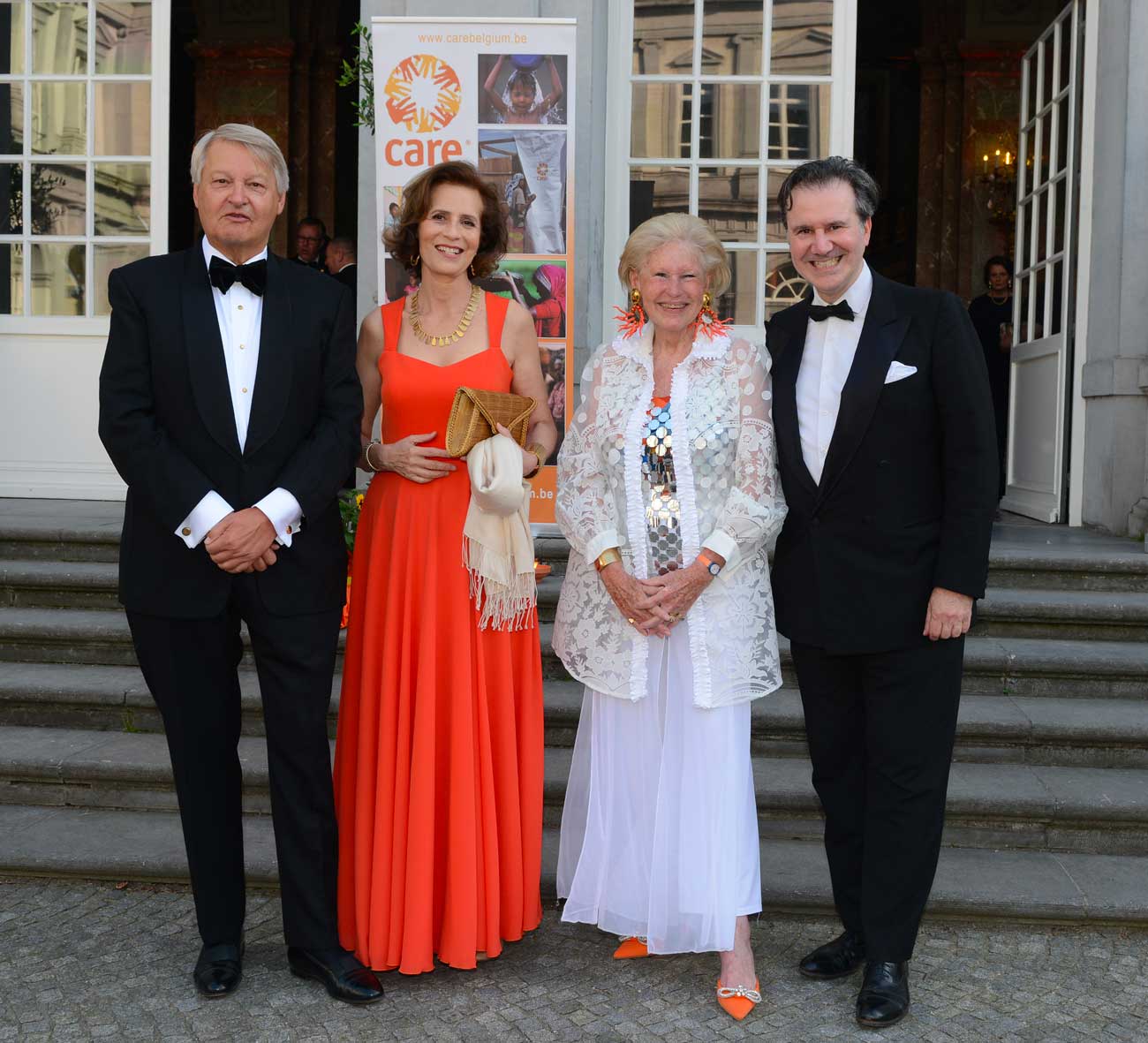 Princess Esméralda of Belgium surrounded by the CARE Belgium team: Daniel Thierry, Baroness Odile de Saint-Marcq and Grégoire Tolstoï (Photo: CARE Belgium)
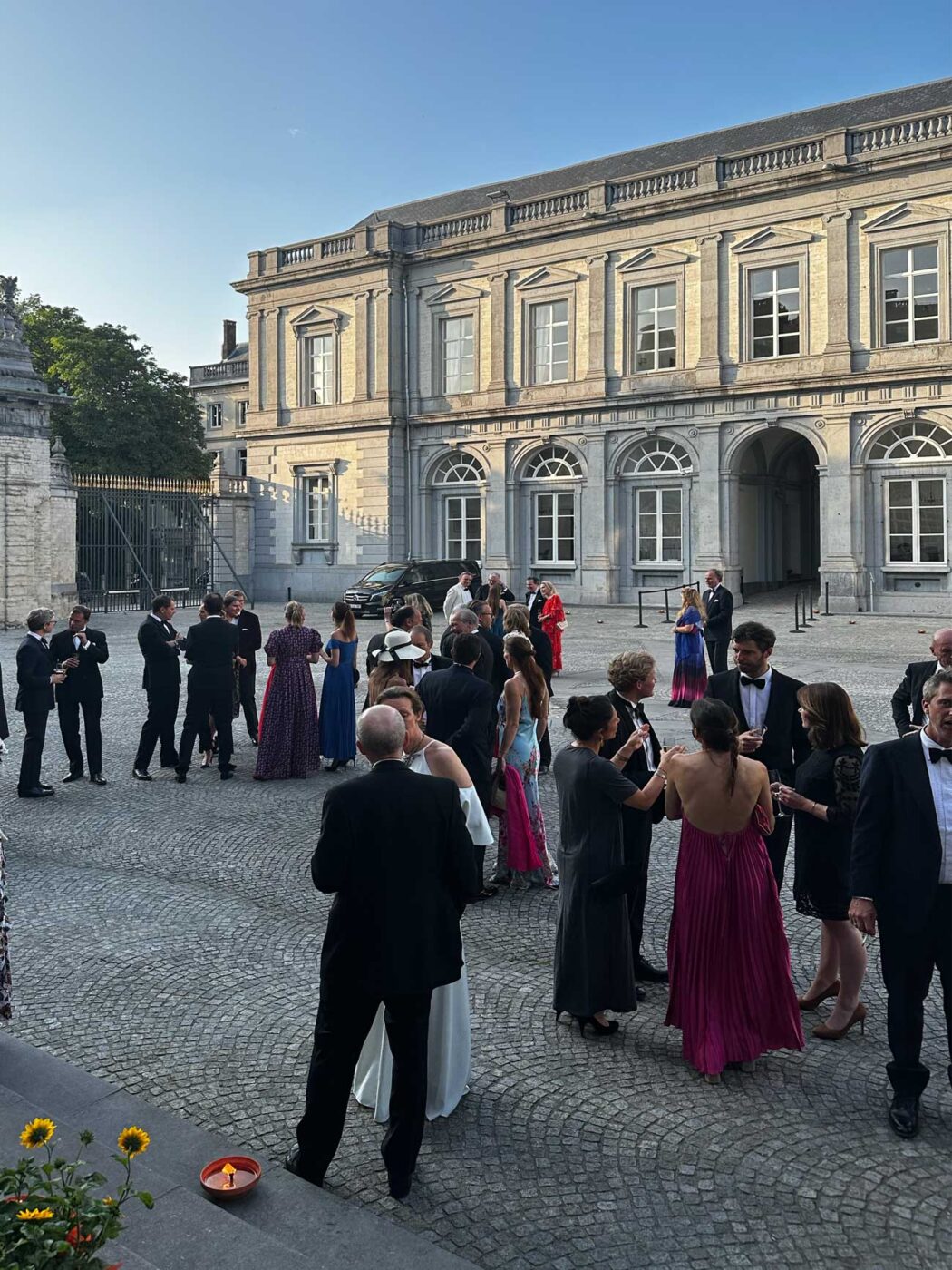 CARE supporters and patrons arrive at Egmont Palace to support the charity's fundraising efforts (Photo: Royal Stories)